Restoring Control Across Multi-Site Project Execution

How Ashtavinayaka Techno Process brought structure to complex, multi-site project execution with SourcePro ERP

About Ashtavinayaka Techno Process

ATPE does not operate from a single factory floor. Their work moves across projects, sites, and timelines. Each project begins with design and moves through procurement, fabrication, site execution, and commissioning. Every stage depends on the previous one being accurate, timely, and aligned.

As projects grow, this coordination becomes harder to maintain. What works at a small scale starts breaking when multiple sites, materials, and timelines are involved. At that point, execution is no longer just about engineering. It becomes about control.

Operational Snapshot

Industry

Process Engineering & Turnkey Project Execution

Business Model

Project-Based Engineering and Plant Solutions

Challenges Before ERP

Managing project-driven operations across multiple sites created several challenges:

  • Material planning was inconsistent, affecting execution timelines
  • Procurement and execution were not always aligned
  • Data was available, but not structured enough to clearly understand performance
  • Inventory and stores were difficult to manage across locations
  • Tracking stock at project sites was unreliable
  • Coordination depended heavily on manual tracking
  • Planning became reactive
  • Profitability was difficult to assess with clarity

What Makes Their Operations Complex

Project-Driven Execution
Every order moves as a project from design to commissioning
Interdependent Stages
Each stage depends on accuracy & timing of the previous
Multi-Site Operations
Execution spans across factory, stores, and multiple locations
Need for Financial Clarity
Profitability depends on tracking materials, purchases & execution
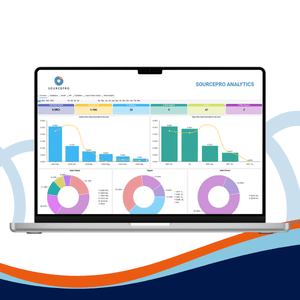
After SourcePro ERP

Consistent data made it possible to understand performance and profitability across projects.

Planning → Became Structured
Material planning moved from inconsistent and reactive to more predictable and aligned with project needs.
Inventory → Became Controlled
Inventory and stores became easier to manage across locations, with improved tracking at project sites.
Data → Became Consistent
Sales, purchase, and accounts data became regularly available instead of scattered.
Information → Became Centralized
Information moved from disconnected records to a single, accessible system.
Procurement → Became Aligned
Procurement began to follow project requirements more closely, reducing gaps between planning and execution.

What changed

Project performance became easier to evaluate
Cost impact of decisions became clearer
Profitability could be assessed with more confidence
Teams relied less on follow-ups and more on available data

From the Client

Schedule ERP Demo